Bribie Island Environmental Protection Association
Bibimulya Wetlands
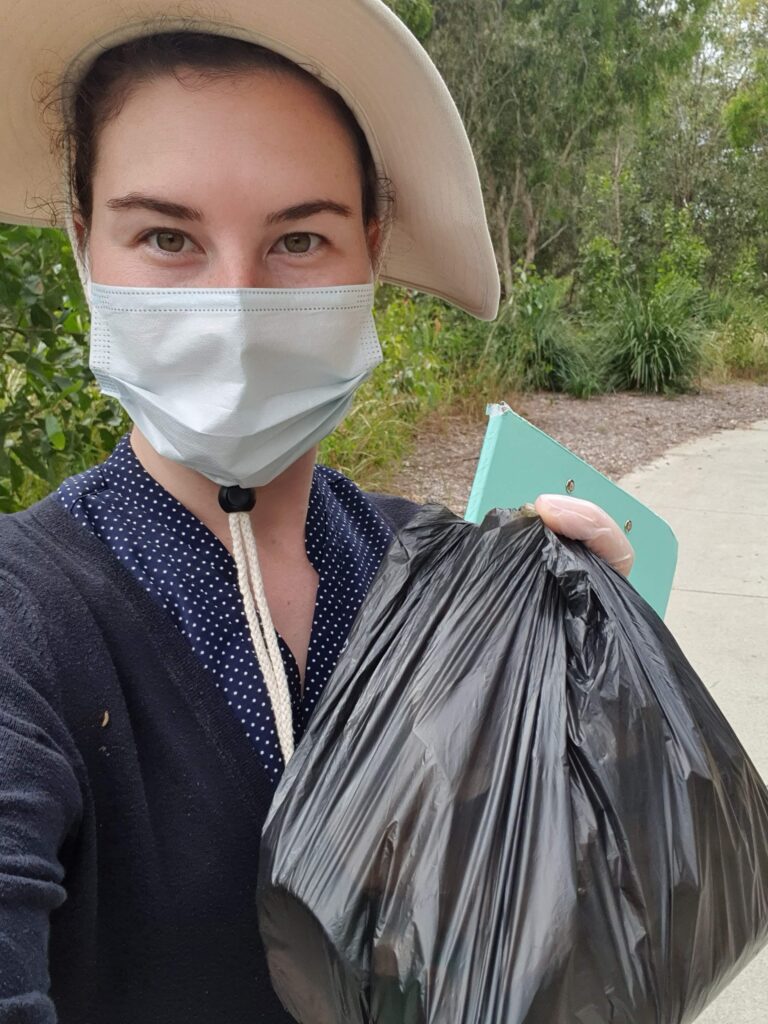
When I lived near the Bellara Retention Station (Bibimulya Wetlands), I would regularly go there to pick up rubbish in the area. It has beautiful wildlife, including birds like spoonbills, magpie geese, egrets, and purple swamphens.
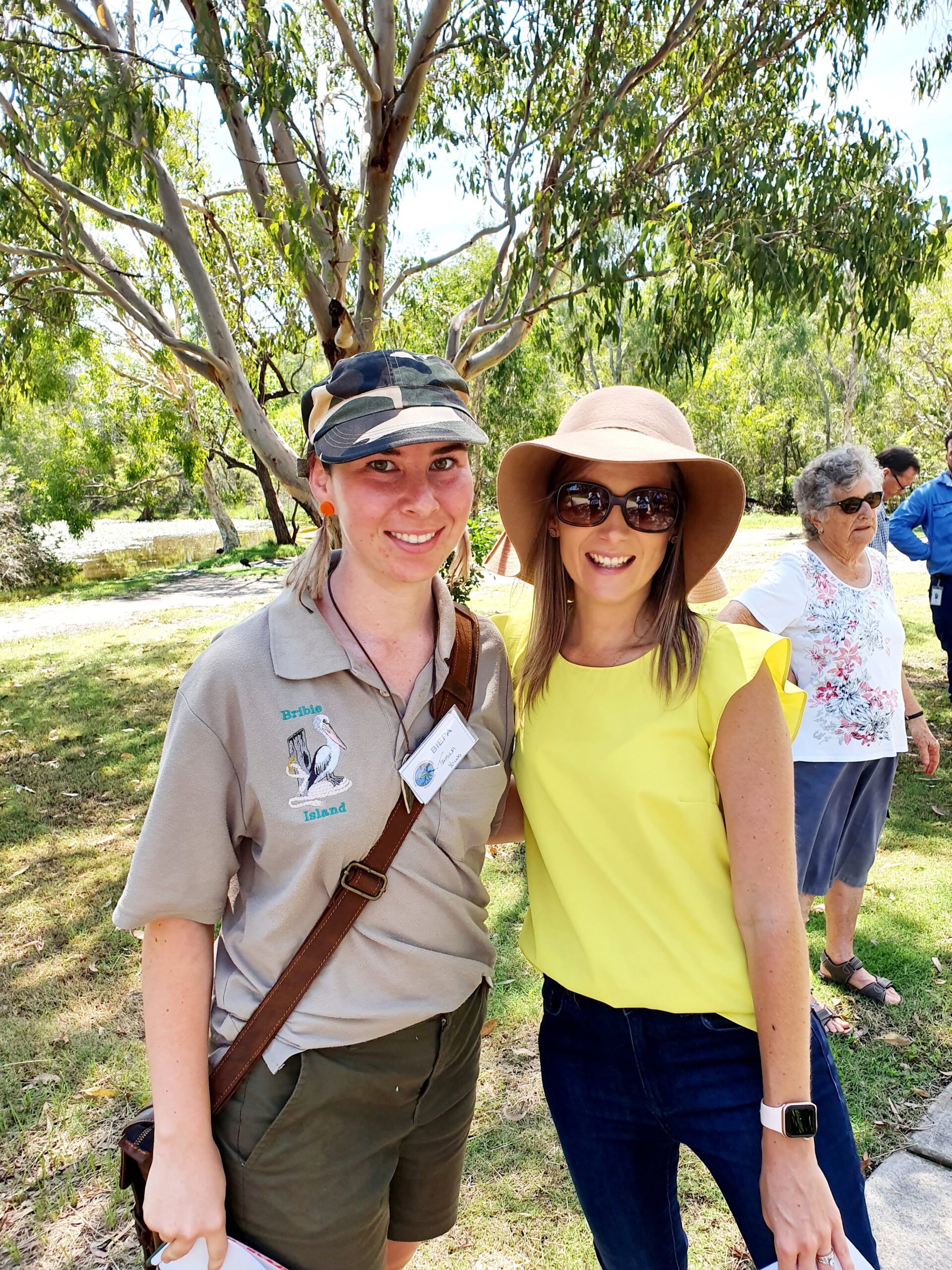
In February, 2020, I, with many other locals, met Cr Brooke Savige and members of the Moreton Bay Regional Council, including those from the Parks Maintenance department, and Water Management department, as well as others from other environmental organisations. This was to discuss the drainage and flooding whenever it would rain, as well as pest species, including the Salvinia molesta which had taken over most of the water area.
Various locals brought up concepts of the possible causes for the flooding of the area, including build-up of sediment, blocked pipes, the depth of the water most of the time, and the fact that the natural saltwater lake is now a constructed freshwater wetland.
The people representing the MBRC stated that the area is a wetland intentionally designed to be shallow which allows for drainage from the surrounding roads when it rains, ensuring the system does not flow directly to the Pumicestone Passage. It was also brought up that the system is a feature that has a function, and that it no longer functions as it was designed. This is probably due to unforeseen natural changes, in the way that there is a disconnect between the developers plans, and what actually happens over time – e.g. a place that was originally quoted to have “waterfront views” by the developer, and then after a number of years, to have trees grow and block that view.
Cr Brooke Savige stated that there is work that must occur. This essential work includes finding a solution to the Salvinia problem.
The MBRC were already in the process of doing what they could about managing the weed, however, they had a few setbacks – a big one being that the biological control proved to be unsuccessful.
The salvinia weevil had been introduced in the past, but as they require the right conditions to reproduce and devour the salvinia at a faster rate than it grows. It appeared that Bribie Island did not have these conditions.
Alternative controls were discussed, with some put in place, although there had been even more obstacles preventing a smooth removal.
The conditions to consider for removing “by hand” included: *risk vs reward -the ratio effort it takes to pull out a certain amount is too much for too little; *there are also many risks and costs with manual labour -better to use equipment to do the job; *problems with the machinery to do so -there are only a couple of machines operated by MBRC that are not only appropriate to remove the weeds from the bodies of water, but also whether the machinery is able to gain access to the area to do so -also, the machine that could potentially do the job was undergoing repairs and required a suitable operator.
As for using methods like chemical control, the hindrances the MBRC had experienced was mainly with time, and finding a sufficient spray, which needed to be a surfactant that was a registered herbicide. This is because the Salvinia is a plant with hairy leaves, so most herbicides would roll straight off, especially after rain. Salvinia is sprayed in multiple stages for a number of reasons, which include preventing toxins from entering the water, and also that one area and one layer of the plants needs to brown off before proceeding to the next.
The spraying process had been implemented in the wetlands, where there were booms to segregate the treated areas from the untreated areas.
In June, 2020, it was great to go for a walk through the area, as I often would to pick up rubbish, and see the progress that had been made with the removal of the salvinia.
Wonders of the Wallum Walk
As part of the Sunshine Coast Wildflower Festival, each year, BIEPA would put on the Wonders of the Wallum Walk, where people can walk through the bush to see many of Bribie Island’s native plants in the wild. Many species were identified and had signs so many people can enjoy it, no matter how much they knew about the plants.
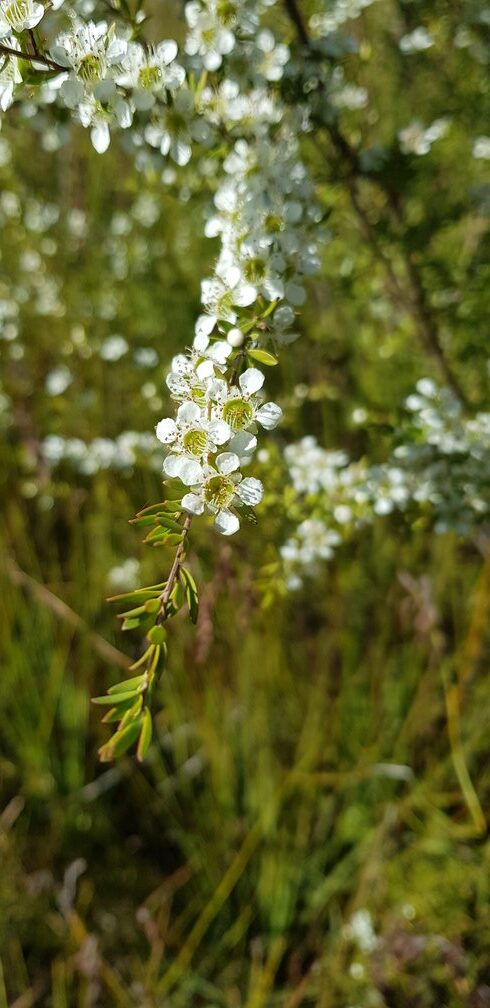
There are at least seven of the teatree plants (family Myrtaceae) native to Bribie Island.
My favourite of Bribie’s natives, was Leptospermum polygalifolium, more commonly known as Wild May.